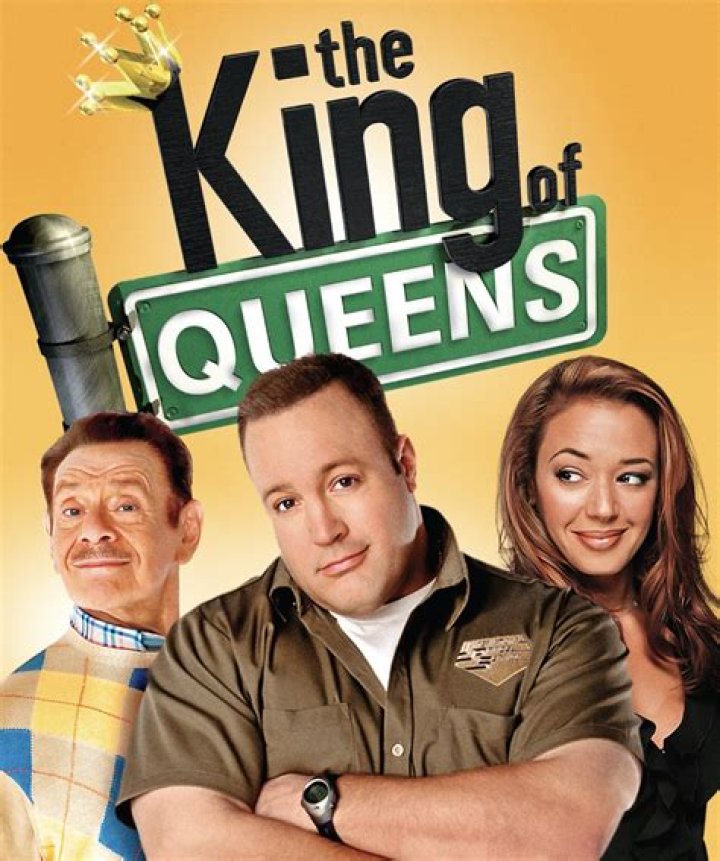
April Kimble's Age refers to the period of time that April Kimble has been alive, typically measured in years from her date of birth. It is a key piece of demographic information that can be used for various purposes, such as determining eligibility for certain age-restricted activities or services.
April Kimble's age is also a factor in her physical and mental development. As she ages, she will experience changes in her body, mind, and overall health. These changes can be both positive and negative, and it is important to be aware of them so that she can make informed decisions about her life.
There are many benefits to understanding April Kimble's age. It can help her to make informed decisions about her health, finances, and career. It can also help her to connect with others who are in a similar stage of life. Additionally, understanding her age can help her to appreciate the different stages of life and to make the most of each one.
April Kimble's Age
April Kimble's age is an important piece of information that can be used to determine her eligibility for certain activities or services, as well as to understand her physical and mental development. Some key aspects of April Kimble's age include:
- Chronological age: This is the number of years that April Kimble has been alive since her date of birth.
- Biological age: This is a measure of April Kimble's physical and mental health relative to other people of her chronological age.
- Developmental age: This is a measure of April Kimble's cognitive and emotional development relative to other people of her chronological age.
- Social age: This is a measure of April Kimble's social skills and interactions relative to other people of her chronological age.
- Legal age: This is the age at which April Kimble is considered an adult by the law.
- Mental age: This is a measure of April Kimble's intellectual ability relative to other people of her chronological age.
- Emotional age: This is a measure of April Kimble's emotional maturity relative to other people of her chronological age.
- Spiritual age: This is a measure of April Kimble's spiritual development relative to other people of her chronological age.
These different aspects of April Kimble's age are all interconnected and can influence each other. For example, her chronological age can affect her biological age, and her biological age can affect her developmental age. Similarly, her social age can affect her emotional age, and her emotional age can affect her spiritual age. By understanding the different aspects of April Kimble's age, we can gain a more complete picture of her overall development and well-being.
Chronological age
Chronological age is a key component of "April Kimble's age" because it is the foundation upon which all other aspects of her age are built. It is the starting point from which we can measure her biological age, developmental age, social age, legal age, mental age, emotional age, and spiritual age. Without knowing her chronological age, it would be impossible to determine any of these other aspects of her age.
For example, if we know that April Kimble is 25 years old, we can infer that she is likely to be in good physical and mental health, that she has completed her education and is starting her career, and that she is developing her social and emotional skills. We can also make some predictions about her future development, such as the likelihood that she will get married, have children, and retire at a certain age.
Understanding April Kimble's chronological age is important for a number of reasons. It can help us to understand her current stage of development, to make predictions about her future development, and to make informed decisions about her care and support. It is also important for legal purposes, such as determining eligibility for certain benefits or services.
Biological Age
Biological age is a key component of "April Kimble's age" because it provides a more comprehensive view of her overall health and well-being. While chronological age simply measures the number of years that she has been alive, biological age takes into account a wider range of factors, including her physical health, mental health, and lifestyle choices. As a result, biological age can be a more accurate predictor of her future health risks and life expectancy than chronological age alone.
There are a number of factors that can affect April Kimble's biological age, including her diet, exercise habits, smoking, alcohol consumption, and stress levels. By making healthy choices, she can reduce her biological age and improve her overall health and well-being.
Understanding April Kimble's biological age is important for a number of reasons. It can help her to:
- Make informed decisions about her health and lifestyle
- Identify and manage health risks
- Plan for her future care and support
There are a number of ways to assess biological age, including blood tests, physical exams, and lifestyle questionnaires. By working with her doctor, April Kimble can get a better understanding of her biological age and take steps to improve her overall health and well-being.
Developmental age
Developmental age is closely connected to "april kimble age" as it provides insights into her cognitive and emotional maturity in relation to her chronological age. Understanding developmental age can help us better understand her overall development and identify any areas where she may need additional support.
- Cognitive development: This refers to April Kimble's ability to learn, think, and solve problems. It encompasses skills such as memory, attention, language, and reasoning. Cognitive development typically progresses in a predictable sequence, with children reaching certain milestones at different ages. For example, most children begin to speak their first words around 12 months of age and are able to understand simple sentences by 24 months of age.
- Emotional development: This refers to April Kimble's ability to understand and manage her emotions. It encompasses skills such as self-regulation, empathy, and social awareness. Emotional development also typically progresses in a predictable sequence, with children learning to identify and express their emotions in increasingly complex ways as they get older. For example, toddlers may have difficulty regulating their emotions and may tantrum when they are frustrated, while older children are typically able to express their emotions more appropriately and may use coping mechanisms to manage their emotions.
Understanding April Kimble's developmental age can help us to:
- Identify and support her strengths and weaknesses
- Set realistic expectations for her behavior and development
- Provide her with the resources and support she needs to thrive
Social age
Social age is closely connected to "april kimble age" as it provides insights into her social development and maturity in relation to her chronological age. Understanding social age can help us better understand her overall development and identify any areas where she may need additional support.
- Social skills: Social skills refer to April Kimble's ability to interact with others in a positive and effective way. This includes skills such as communication, cooperation, empathy, and conflict resolution. Social skills are important for success in school, work, and personal relationships.
- Social interactions: Social interactions refer to the quality and quantity of April Kimble's interactions with others. This includes her ability to form and maintain relationships, participate in social activities, and feel connected to her community. Social interactions are important for emotional well-being and overall health.
Understanding April Kimble's social age can help us to:
- Identify and support her strengths and weaknesses
- Set realistic expectations for her behavior and development
- Provide her with the resources and support she needs to thrive
Legal age
Legal age is a crucial component of "april kimble age" as it demarcates the transition from childhood to adulthood, bringing about significant changes in rights, responsibilities, and social expectations.
Upon reaching the legal age, individuals like April Kimble gain the legal capacity to enter into contracts, vote, marry, and make independent decisions regarding their healthcare and finances. Concomitantly, they become subject to the full force of the law, including criminal and civil liability for their actions.
Understanding the legal age is essential for several reasons. Firstly, it helps individuals like April Kimble navigate the complex legal landscape and make informed choices about their lives. Secondly, it assists parents, guardians, and policymakers in setting appropriate boundaries and support systems for young adults as they transition into adulthood. Thirdly, it provides a framework for society to allocate rights and responsibilities fairly and equitably.
In conclusion, the legal age serves as a pivotal milestone in "april kimble age", marking the shift from the protections and dependencies of childhood to the freedoms and obligations of adulthood. Recognizing and respecting the legal age is fundamental for ensuring a smooth transition and fostering responsible and well-rounded individuals.
Mental age
Mental age is a crucial component of "april kimble age" as it evaluates an individual's cognitive abilities and intellectual development in relation to their chronological age. Understanding mental age provides valuable insights into an individual's learning potential, academic performance, and overall cognitive functioning.
Mental age is not solely determined by chronological age but rather reflects an individual's unique cognitive strengths and weaknesses. It encompasses various aspects of intellectual functioning, including reasoning, problem-solving, memory, attention, and language skills. By assessing mental age, experts can identify individuals who may require additional support or specialized educational interventions to optimize their learning and cognitive development.
The practical significance of understanding mental age extends beyond the academic realm. It plays a vital role in educational planning, career counseling, and social integration. For instance, knowing an individual's mental age can help educators tailor teaching methods and curriculum to match their cognitive abilities, maximizing their learning outcomes. Similarly, career counselors can use mental age assessments to guide individuals toward occupations that align with their cognitive strengths and interests.
Furthermore, understanding mental age can foster greater inclusivity and support for individuals with cognitive differences. By recognizing the unique cognitive profile of each individual, we can create more equitable and supportive environments that cater to their specific needs and abilities.
In conclusion, mental age is an integral component of "april kimble age" that provides insights into an individual's cognitive development and intellectual abilities. Understanding mental age is essential for optimizing education, career guidance, and social integration. It empowers us to create more inclusive and supportive environments that celebrate the diverse cognitive strengths of all individuals.
Emotional age
Emotional age is a critical component of "april kimble age" as it reflects an individual's ability to understand, manage, and express their emotions in a healthy and adaptive manner. Emotional maturity encompasses various aspects, including self-awareness, self-regulation, empathy, and interpersonal skills. Understanding emotional age provides valuable insights into an individual's overall psychological well-being and social competence.
Emotional age is not solely determined by chronological age but rather develops through a combination of innate temperament, life experiences, and social interactions. It is closely linked to an individual's cognitive development, as well as their ability to cope with stress and adversity. By assessing emotional age, experts can identify individuals who may require additional support or specialized interventions to enhance their emotional regulation and social skills.
The practical significance of understanding emotional age extends across various domains of life. In educational settings, it can help educators create supportive learning environments that promote emotional intelligence and well-being. In the workplace, it can contribute to effective teamwork, conflict resolution, and overall job satisfaction. Moreover, understanding emotional age is essential for fostering healthy relationships, building resilience, and achieving personal fulfillment.
Furthermore, understanding emotional age can promote greater empathy and compassion towards individuals with emotional challenges. By recognizing the unique emotional profile of each individual, we can create more inclusive and supportive communities that value emotional diversity and well-being.
In summary, emotional age is an integral component of "april kimble age" that provides insights into an individual's emotional maturity and social competence. Understanding emotional age is essential for optimizing education, workplace dynamics, and personal relationships. It empowers us to create supportive environments that foster emotional well-being and promote the flourishing of all individuals.
Spiritual age
Spiritual age, a facet of "april kimble age," delves into an individual's spiritual growth and maturity in relation to their chronological age. It encompasses various aspects such as self-awareness, purpose in life, and connection to a higher power or universal consciousness.
- Introspection and Self-Reflection: Spiritual age often involves a journey of introspection and self-reflection, where individuals seek to understand their inner selves, values, and beliefs. Through practices like meditation or journaling, they cultivate self-awareness and a deeper understanding of their spiritual nature.
- Purpose and Meaning: Spiritual age is closely tied to the search for purpose and meaning in life. Individuals with a higher spiritual age often exhibit a strong sense of purpose and direction, finding fulfillment in activities that align with their values and contribute to the greater good.
- Connection to the Divine: Spirituality encompasses a diverse range of beliefs and practices, but at its core, it often involves a sense of connection to something greater than oneself. Individuals with a higher spiritual age may experience a deep connection to nature, a higher power, or a universal consciousness.
- Compassion and Empathy: Spiritual development often fosters compassion and empathy towards others. Individuals with a higher spiritual age tend to be more understanding, forgiving, and supportive of those around them, recognizing the interconnectedness of all beings.
Understanding spiritual age in the context of "april kimble age" provides insights into an individual's overall well-being and life journey. It highlights the importance of personal growth, self-discovery, and the pursuit of purpose and meaning. By considering spiritual age alongside chronological age, we gain a more holistic perspective on an individual's development and the factors that contribute to their sense of fulfillment and inner peace.
Frequently Asked Questions about "april kimble age"
The topic of "april kimble age" encompasses various aspects of an individual's development, including chronological, biological, developmental, social, legal, mental, emotional, and spiritual age. Understanding these different dimensions provides a comprehensive view of an individual's growth and well-being.
Question 1: How is chronological age different from biological age?
Chronological age refers to the number of years a person has lived since their date of birth, while biological age reflects the physical and mental health of an individual relative to their chronological age. Biological age can be influenced by factors such as lifestyle choices, genetics, and overall health.
Question 2: Why is understanding developmental age important?
Developmental age provides insights into an individual's cognitive and emotional development relative to their chronological age. Understanding developmental age helps identify areas where an individual may need additional support or specialized interventions to optimize their learning and growth.
Question 3: What are the implications of legal age?
Legal age marks the transition from childhood to adulthood, bringing about significant changes in rights, responsibilities, and social expectations. Understanding legal age helps individuals navigate the legal landscape, make informed choices, and access appropriate resources and support systems.
Question 4: How does mental age impact an individual's life?
Mental age assesses an individual's intellectual abilities relative to their chronological age. Understanding mental age provides valuable insights for educational planning, career counseling, and social integration. It helps create supportive environments that cater to an individual's specific cognitive strengths and needs.
Question 5: What is the significance of emotional age?
Emotional age measures an individual's emotional maturity relative to their chronological age. Understanding emotional age helps foster emotional intelligence, self-regulation, empathy, and interpersonal skills. It contributes to overall psychological well-being, healthy relationships, and personal fulfillment.
Question 6: How does spiritual age contribute to an individual's growth?
Spiritual age reflects an individual's spiritual development and maturity relative to their chronological age. It encompasses self-awareness, purpose in life, and connection to a higher power or universal consciousness. Understanding spiritual age highlights the importance of personal growth, self-discovery, and the pursuit of meaning and inner peace.
Summary:
Exploring "april kimble age" provides a multifaceted understanding of an individual's development and well-being. Each aspect of age, from chronological to spiritual, offers valuable insights into an individual's growth, strengths, and areas for support. By considering these different dimensions, we gain a more holistic perspective on an individual's life journey and the factors that contribute to their overall health and fulfillment.
Tips to Understand "april kimble age"
Understanding the multifaceted concept of "april kimble age" provides valuable insights into an individual's development, well-being, and life journey. Here are some tips to help you grasp the different dimensions of age and their significance:
Tip 1: Distinguish Chronological Age from Biological Age
Recognize that chronological age simply measures the number of years a person has lived, while biological age reflects their physical and mental health. Consider factors such as lifestyle, genetics, and overall health when assessing biological age.
Tip 2: Embrace Developmental Age Assessment
Understand that developmental age provides insights into an individual's cognitive and emotional development relative to their chronological age. Use this knowledge to identify areas where they may need additional support or specialized interventions for optimal growth and learning.
Tip 3: Recognize the Implications of Legal Age
Be aware that legal age marks a significant transition, bringing about changes in rights, responsibilities, and social expectations. Help individuals navigate the legal landscape, make informed choices, and access appropriate resources and support systems.
Tip 4: Assess Mental Age for Cognitive Insight
Recognize that mental age evaluates an individual's intellectual abilities relative to their chronological age. Use this information for educational planning, career counseling, and social integration. Create supportive environments that cater to their specific cognitive strengths and needs.
Tip 5: Foster Emotional Maturity through Emotional Age Understanding
Understand that emotional age measures an individual's emotional maturity relative to their chronological age. Foster their emotional intelligence, self-regulation, empathy, and interpersonal skills. This contributes to overall psychological well-being, healthy relationships, and personal fulfillment.
Tip 6: Explore Spiritual Age for Inner Growth
Recognize that spiritual age reflects an individual's spiritual development and maturity relative to their chronological age. Encourage self-awareness, purpose in life, and connection to a higher power or universal consciousness. Highlight the importance of personal growth, self-discovery, and the pursuit of meaning and inner peace.
Summary:
By following these tips, you can gain a deeper understanding of the multifaceted nature of "april kimble age." Each dimension of age offers valuable insights into an individual's development, strengths, and areas for support. Embrace a holistic approach to age and well-being to foster their growth and fulfillment throughout their life journey.
Conclusion on "april kimble age"
The exploration of "april kimble age" has shed light on the multifaceted nature of human development and well-being. It encompasses a spectrum of dimensions, each offering valuable insights into an individual's growth, strengths, and areas for support.
Understanding the interplay between chronological, biological, developmental, social, legal, mental, emotional, and spiritual age provides a comprehensive view of an individual's life journey. By considering these different aspects, we gain a deeper appreciation for the complexities of human development and the importance of fostering growth and fulfillment at every stage of life. This understanding empowers us to create supportive environments, provide tailored interventions, and celebrate the unique strengths of each individual.
Emily Kinney's Relationship Insights Uncovered: A Journey Of Love, Support, And Privacy
Sara Waisglass's Relationships: Uncovering Love, Career, And Personal Growth
Unveiling The Alicia Gardiner Family: A Legacy Of Wealth, Influence, And Philanthropy
April Kimble
Who is Lyle Lovett married to? The US Sun
:max_bytes(150000):strip_icc():focal(503x318:505x320)/lyle-lovett05-b64ab779acc44340b9fb4ea1268f9381.jpg)
Lyle Lovett April Kimble Age Difference TechTrailblazers