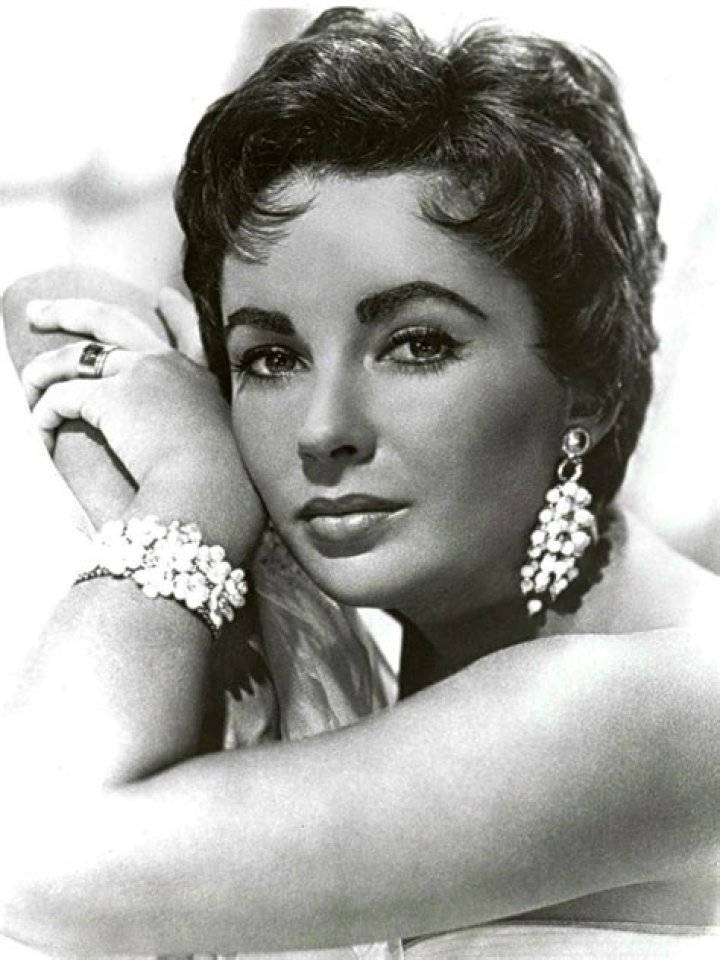
Millie de Molina was a Cuban-born entertainer, vedette, and film star of the Golden Age of Mexican cinema. She is best known for her roles in films such as "Aventurera" (1949) and "Sensualidad" (1951).
De Molina was born in Havana, Cuba, in 1928. She began her career as a dancer and singer in nightclubs in her hometown. In 1947, she moved to Mexico City, where she quickly became one of the most popular stars of the silver screen. She was known for her beauty, her charisma, and her incredible talent for dancing and acting. She was also a fashion icon, and her style was imitated by women all over the world.
De Molina's career spanned over three decades, and she appeared in more than 60 films. She was one of the most successful actresses of her time, and she helped to shape the Golden Age of Mexican cinema. She died in Mexico City in 2002 at the age of 74.
Millie de Molina
Millie de Molina was a Cuban-born entertainer, vedette, and film star of the Golden Age of Mexican cinema. She is best known for her roles in films such as "Aventurera" (1949) and "Sensualidad" (1951). Here are 10 key aspects of her life and career:
- Birth: Havana, Cuba, 1928
- Career: Dancer, singer, actress
- Debut: Nightclubs in Havana
- Breakthrough: "Aventurera" (1949)
- Stardom: Golden Age of Mexican cinema
- Legacy: Fashion icon
- Influence: Shaped Mexican cinema
- Awards: Ariel Award for Best Actress (1950)
- Death: Mexico City, 2002
- Legacy: Remembered as one of the most iconic stars of Mexican cinema
Millie de Molina was a true pioneer in the entertainment industry. She was one of the first Cuban actresses to achieve international success, and she helped to pave the way for other Latin American stars. Her beauty, talent, and charisma made her one of the most popular actresses of her time. She was also a fashion icon, and her style was imitated by women all over the world. De Molina's legacy continues to inspire new generations of entertainers.
Birth
Millie de Molina was born in Havana, Cuba, in 1928. This event marked the beginning of her life and career as an entertainer, vedette, and film star. Havana, Cuba, was a vibrant and cosmopolitan city in the early 20th century, and it was here that de Molina developed her passion for the performing arts. She began her career as a dancer and singer in nightclubs in her hometown, and her talent and charisma quickly caught the attention of audiences and filmmakers.
De Molina's birthplace played a significant role in her development as an artist. Havana was a melting pot of cultures, and de Molina was exposed to a wide range of musical and theatrical influences. This diversity is reflected in her performances, which often blended elements of Cuban, Mexican, and American popular culture. De Molina's Cuban heritage also gave her a strong sense of rhythm and movement, which was evident in her dancing and acting.
In conclusion, Millie de Molina's birth in Havana, Cuba, in 1928, was a pivotal event in her life and career. It was here that she developed her passion for the performing arts and honed her skills as a dancer, singer, and actress. Her Cuban heritage also played a significant role in shaping her unique artistic style.
Career
Millie de Molina's career as a dancer, singer, and actress was the defining aspect of her life. She was a multi-talented performer who excelled in all three disciplines. Her dancing was characterized by its grace and sensuality, her singing voice was rich and expressive, and her acting was both natural and charismatic.
De Molina's career began in the nightclubs of Havana, Cuba, where she quickly gained a reputation as a rising star. In 1947, she moved to Mexico City, where she made her film debut in the movie "Aventurera" (1949). The film was a huge success, and de Molina became an instant star. She went on to appear in over 60 films during the Golden Age of Mexican cinema, including "Sensualidad" (1951), "La mujer del puerto" (1953), and "La danza del deseo" (1959).
De Molina's success as a performer was due in large part to her natural talent and charisma. She was also a hard worker and dedicated to her craft. She spent countless hours rehearsing her dance routines and practicing her singing and acting skills. As a result, she was able to create performances that were both technically proficient and emotionally resonant.
De Molina's career as a dancer, singer, and actress left a lasting legacy on Mexican cinema. She was one of the most popular and successful stars of her time, and her films continue to be enjoyed by audiences around the world. She was a true pioneer in the entertainment industry, and her work helped to pave the way for other Latin American stars.
Debut
Millie de Molina's debut in the nightclubs of Havana marked the beginning of her illustrious career as a dancer, singer, and actress. It was in these vibrant and cosmopolitan venues that she honed her skills and developed her unique artistic style.
- Training ground: Nightclubs provided de Molina with a platform to experiment with different performance styles and build her confidence as a performer.
- Exposure to diverse influences: Havana's nightclubs were melting pots of culture, where de Molina was exposed to a wide range of musical and theatrical traditions. This diversity is reflected in her performances, which often blended elements of Cuban, Mexican, and American popular culture.
- Networking opportunities: Nightclubs were also important social hubs, where de Molina could connect with other performers, musicians, and filmmakers. These connections played a vital role in her subsequent career success.
- Star power: De Molina's talent and charisma quickly caught the attention of audiences and filmmakers. Her performances in Havana's nightclubs earned her a reputation as a rising star, leading to her breakthrough role in the film "Aventurera" (1949).
In conclusion, Millie de Molina's debut in the nightclubs of Havana was a pivotal moment in her career. It was here that she developed her skills, honed her unique artistic style, and gained the exposure that led to her eventual stardom. The nightclubs of Havana served as a training ground, a melting pot of cultural influences, a networking hub, and a launchpad for her successful career in the entertainment industry.
Breakthrough
Millie de Molina's breakthrough film role in "Aventurera" (1949) marked a turning point in her career and solidified her status as a rising star in Mexican cinema. The film's success and de Molina's captivating performance catapulted her to fame and established her as a leading lady of the Golden Age of Mexican cinema.
- Critical Acclaim and Awards: De Molina's performance in "Aventurera" earned her widespread critical acclaim and an Ariel Award for Best Actress in 1950. Her portrayal of the strong-willed and passionate Elena Tejero was lauded for its authenticity and emotional depth, showcasing her exceptional acting skills.
- Commercial Success: The film was a box office hit, becoming one of the highest-grossing Mexican films of 1949. De Molina's star power and the film's engaging storyline resonated with audiences, cementing her position as a popular and bankable actress.
- Genre-Defining Role: "Aventurera" is considered a classic of the Mexican "rumberas" film genre, which featured exotic dancers and musical numbers. De Molina's portrayal of Elena Tejero became synonymous with the genre, and her dance sequences in the film are still remembered for their sensuality and grace.
- International Recognition: The success of "Aventurera" and de Molina's performance gained international recognition. The film was screened at film festivals around the world, and de Molina's talent was praised by critics and audiences alike. Her role in the film helped to establish her as a global star.
In conclusion, Millie de Molina's breakthrough role in "Aventurera" (1949) was a pivotal moment in her career. The film's critical and commercial success, coupled with her captivating performance, propelled her to stardom and cemented her legacy as a leading lady of Mexican cinema. Her portrayal of Elena Tejero remains an iconic representation of the "rumberas" film genre and continues to inspire and entertain audiences to this day.
Stardom
The Golden Age of Mexican cinema, spanning from the 1930s to the 1960s, was a period of great creativity and popularity for the Mexican film industry. During this time, Mexican films gained international recognition and acclaim, and many Mexican actors and actresses became stars.
One of the most iconic stars of the Golden Age of Mexican cinema was Millie de Molina. De Molina was a Cuban-born actress, dancer, and singer who starred in over 60 films during her career. She was known for her beauty, her charisma, and her incredible talent for dancing and acting.
De Molina's stardom was due in large part to her success in Mexican films. She starred in some of the most popular and successful films of the Golden Age, including "Aventurera" (1949), "Sensualidad" (1951), and "La mujer del puerto" (1953). These films showcased her talent and charisma, and helped to make her one of the most popular actresses in Mexico.
De Molina's stardom also had a significant impact on the Mexican film industry. She was one of the first Mexican actresses to achieve international success, and her films helped to promote Mexican cinema around the world. She was also a role model for other Mexican actresses, and her success helped to pave the way for other Latinas to succeed in the film industry.
In conclusion, Millie de Molina's stardom during the Golden Age of Mexican cinema was due to her talent, charisma, and success in Mexican films. Her stardom had a significant impact on the Mexican film industry, and she remains one of the most iconic stars of Mexican cinema.
Legacy
Millie de Molina was not only a talented actress and dancer, but also a fashion icon. Her unique style and glamorous outfits made her a trendsetter in Mexico and beyond.
- Trendsetter: De Molina was known for her bold and innovative fashion choices. She often wore clothes that were ahead of their time, and her style was imitated by women all over the world.
- Glamorous image: De Molina's glamorous image was a key part of her appeal. She often wore expensive jewelry and designer clothes, and she always looked her best in public.
- Influence on Mexican fashion: De Molina's fashion sense had a significant impact on Mexican fashion. She helped to popularize new styles and trends, and her influence can still be seen in Mexican fashion today.
- International recognition: De Molina's fashion icon status was not limited to Mexico. She was also recognized as a fashion icon in other countries, including the United States and Europe.
Millie de Molina's legacy as a fashion icon is undeniable. Her unique style and glamorous image made her a trendsetter in her time, and her influence can still be seen in Mexican fashion today.
Influence
Millie de Molina was one of the most influential figures in the Golden Age of Mexican cinema. Her talent, charisma, and beauty made her a star, and her films helped to shape the Mexican film industry.
- Star power: De Molina was one of the most popular actresses in Mexico during the Golden Age of Mexican cinema. Her films were box office hits, and she was a major draw for audiences. Her star power helped to promote Mexican films and to make them more popular with audiences around the world.
- Innovative performances: De Molina was known for her innovative and daring performances. She was not afraid to take risks, and she often played characters that were complex and challenging. Her performances helped to push the boundaries of Mexican cinema and to make it more diverse and interesting.
- Cultural impact: De Molina's films had a significant impact on Mexican culture. Her films often reflected the social and political issues of the time, and they helped to shape Mexican identity. Her films also helped to promote Mexican culture around the world.
- Legacy: De Molina's legacy continues to this day. She is considered one of the most important figures in the Golden Age of Mexican cinema, and her films continue to be enjoyed by audiences around the world. She is an inspiration to many aspiring actors and actresses, and her work continues to influence Mexican cinema.
In conclusion, Millie de Molina was a major influence on the Golden Age of Mexican cinema. Her star power, innovative performances, cultural impact, and legacy continue to make her one of the most important figures in Mexican film history.
Awards
The Ariel Award for Best Actress (1950) and Millie de Molina's death in Mexico City in 2002 are two significant events that are connected to her life and career. The Ariel Award is the most prestigious award in Mexican cinema, and de Molina's win for her performance in the film "Aventurera" (1949) was a recognition of her talent and hard work.
De Molina's death in 2002 marked the end of an era in Mexican cinema. She was one of the last surviving stars of the Golden Age of Mexican cinema, and her death was a great loss to the Mexican film industry. However, her legacy continues to live on through her films and her influence on Mexican culture.
The Ariel Award for Best Actress (1950) and Millie de Molina's death in Mexico City in 2002 are two important events that provide insight into her life and career. The Ariel Award is a testament to her talent and hard work, while her death marks the end of an era in Mexican cinema. However, her legacy continues to live on through her films and her influence on Mexican culture.
Legacy
Millie de Molina's legacy as one of the most iconic stars of Mexican cinema is firmly cemented in the history of the industry. This recognition stems from various facets of her career and contributions:
- Unforgettable Performances: De Molina captivated audiences with her memorable performances in numerous films, including "Aventurera" (1949) and "Sensualidad" (1951). Her ability to embody complex characters and evoke strong emotions left an enduring impression on viewers.
- Cultural Impact: De Molina's films transcended mere entertainment; they became cultural touchstones that reflected and influenced Mexican society. Her portrayal of strong and independent women challenged societal norms and inspired generations.
- Fashion Icon: Beyond her acting prowess, De Molina was also a renowned fashion icon. Her glamorous style and elegant outfits set trends and became synonymous with the Golden Age of Mexican cinema.
- International Recognition: De Molina's talent and charisma garnered international acclaim. She was one of the first Mexican actresses to achieve widespread global recognition, paving the way for other Latin American stars.
These facets collectively contribute to Millie de Molina's enduring legacy as an iconic figure in Mexican cinema. Her unforgettable performances, cultural impact, fashion influence, and international recognition continue to inspire and entertain audiences to this day.
Frequently Asked Questions about Millie de Molina
This section addresses frequently asked questions to provide a deeper understanding of Millie de Molina's life, career, and legacy:
Question 1: What was Millie de Molina's most famous role?
Answer: Millie de Molina's most iconic role was Elena Tejero in the 1949 film "Aventurera." Her portrayal of a strong-willed and passionate woman captivated audiences and solidified her status as a leading lady of Mexican cinema.
Question 2: Why is Millie de Molina considered a fashion icon?
Answer: Millie de Molina's unique style and glamorous outfits made her a trendsetter during the Golden Age of Mexican cinema. She was known for her bold choices and her ability to elevate any ensemble, inspiring women around the world.
Question 3: What was Millie de Molina's impact on Mexican cinema?
Answer: Millie de Molina played a significant role in shaping Mexican cinema. Her films often reflected social and political issues, contributing to the cultural identity of Mexico. Her star power also helped to promote Mexican films internationally.
Question 4: What awards did Millie de Molina receive?
Answer: Millie de Molina's talent was recognized with the prestigious Ariel Award for Best Actress in 1950 for her performance in "Aventurera." This accolade is a testament to her exceptional acting skills and the impact she had on Mexican cinema.
Question 5: When did Millie de Molina pass away?
Answer: Millie de Molina passed away in Mexico City on May 10, 2002. Her legacy continues to inspire aspiring actors and actresses, and her films remain beloved by audiences worldwide.
Question 6: How is Millie de Molina remembered today?
Answer: Millie de Molina is fondly remembered as one of the most iconic stars of Mexican cinema. Her unforgettable performances, cultural impact, fashion influence, and international recognition have left an indelible mark on the entertainment industry and continue to captivate audiences to this day.
These questions and answers provide a comprehensive overview of Millie de Molina's life, career, and enduring legacy.
Transition to the next article section: Explore Millie de Molina's filmography and discover the captivating performances that made her a legend of Mexican cinema.
Tips Inspired by Millie de Molina's Legacy
Millie de Molina, the iconic star of Mexican cinema, left behind a legacy that continues to inspire performers and fashion enthusiasts alike. Here are five key tips gleaned from her remarkable career and enduring influence:
Tip 1: Embrace Authenticity and Confidence
Millie de Molina's charisma and star power stemmed from her genuine confidence and authenticity. She embraced her unique style and talents, inspiring others to do the same. By staying true to oneself and exuding self-assurance, individuals can make a lasting impression and connect with audiences on a deeper level.
Tip 2: Push Creative Boundaries
Millie de Molina was known for her bold and innovative performances, challenging conventional norms. She encouraged others to explore uncharted territories and embrace creativity without fear of judgment. By stepping outside of comfort zones and experimenting with different forms of expression, individuals can discover their true artistic potential.
Tip 3: Cultivate a Signature Style
Millie de Molina's fashion sense was as iconic as her acting. She created a unique style that reflected her personality and empowered others to express themselves through fashion. By developing a distinctive and authentic wardrobe, individuals can make a statement and leave a lasting impression.
Tip 4: Seek Inspiration from Diverse Sources
Millie de Molina's performances and style were influenced by a wide range of cultures and artistic traditions. She encouraged others to seek inspiration from diverse sources, both within and outside of their own cultural backgrounds. By embracing different perspectives and influences, individuals can enrich their creative expression and expand their horizons.
Tip 5: Leave a Legacy of Excellence
Millie de Molina's dedication to her craft and her commitment to excellence left an enduring legacy. She inspired generations of performers and fashion icons to strive for greatness. By setting high standards and pursuing their passions with unwavering determination, individuals can create a meaningful and lasting impact on the world.
By following these tips inspired by the legacy of Millie de Molina, individuals can cultivate their own unique talents, embrace creativity, and leave a lasting mark on the world of entertainment or fashion.
Conclusion
Millie de Molina's life and career embody the transformative power of entertainment. Her journey from humble beginnings to international stardom serves as an inspiration to aspiring artists and performers worldwide.
Through her unforgettable performances, Millie de Molina not only entertained audiences but also challenged societal norms and shaped cultural identities. Her legacy as a fashion icon continues to influence the world of style and glamour.
Millie de Molina's unwavering determination, coupled with her exceptional talent, charisma, and authenticity, left an enduring mark on the entertainment industry. Her story reminds us of the profound impact that individuals can have on society through their artistic contributions.
Unveiling The Botanical Legacy Of Henrita Ruizendaal: Discoveries And Insights
Unveiling The Enigmatic Partner Of Geoffrey Thorne: Discoveries Unfold
Unveiling The Enduring Bond: Emily Rudd And Justin Prentice's Partnership
Raúl de Molina y su esposa casi se quedan sin aire tras pasar 40
Raúl de Molina lucía así hace más de 20 años con 90 libras extra
Así se conocieron Raúl de Molina y su esposa, Millie La Opinión